
What Should You Pack for a Comfortable Spiti Valley Trip? A Season-Wise Guide
When planning what to pack for Spiti Valley trip, it’s important to remember that packing for Spiti is quite different from packing for most mountain destinations in India.. Many travellers expect either extreme cold or pleasant summer weather. The reality is that conditions can change quickly depending on the season, altitude, and even the time of day. A sunny afternoon can easily turn into a chilly evening, especially if you’re spending time outdoors.
The good news is that you don’t need to carry everything. With a little planning, you can pack smart, travel comfortably, and enjoy your trip without carrying unnecessary luggage.
Essential Items Every Traveler Should Carry
No matter when you’re visiting, a few essentials belong in every Spiti packing list:
- Sunglasses with UV protection
- Sunscreen
- Lip balm
- Moisturizer
- Reusable water bottle
- Power bank
- Personal medicines
- Basic first-aid supplies
- Government ID and travel documents
- Small day backpack
These items may seem simple, but they often become the most useful things you carry.
Packing for Summer in Spiti Valley
Summer is the most popular season to visit Spiti. Roads are more accessible, villages are active, and sightseeing becomes easier. During the day, you may feel comfortable in light clothing, but mornings and evenings can still be cold.
A summer packing list should include:
- Full-sleeve T-shirts
- Comfortable trousers
- Light fleece jacket
- Windproof outer layer
- Trekking or walking shoes
- Cap or hat
- Light woollen layer for evenings
Layering works much better than carrying heavy winter clothing during summer months. Light jacket is preferred for late evenings.
Why Packing for Spiti Is Different
Spiti is a high-altitude desert. Unlike many hill stations, the air is dry, the sun can feel surprisingly strong, and temperatures often vary significantly between day and night.
Travellers usually spend long hours on the road, visit remote villages, explore monasteries, and spend time outdoors. Packing for comfort becomes less about fashion and more about practicality. The goal is simple: stay warm when needed, stay protected from the sun, and remain comfortable throughout your journey.
How the Right Stay Can Make Packing Easier
Choosing comfortable accommodation can reduce the number of things you need to carry. When your stay provides warm hospitality, comfortable rooms, good food, and essential amenities, you can focus more on enjoying your trip and less on packing for every possible situation.
Many travellers discover that a well-planned stay allows them to travel lighter and more comfortably.
Packing for Winter in Spiti Valley
Winter attracts a completely different kind of travellers. People usually visit during this season for snow-covered landscapes, photography, adventure, and the unique experience of seeing Spiti at its quietest.
Winter packing for Spiti requires more preparation.
Essential winter items include:
- Thermal innerwear
- Heavy insulated jacket
- Woollen sweaters
- Gloves
- Woollen cap or beanie
- Warm socks
- Waterproof footwear
- Neck warmer or scarf
- Moisturizer and lip balm
Cold weather also affects batteries, so carrying spare camera and phone batteries can be helpful.
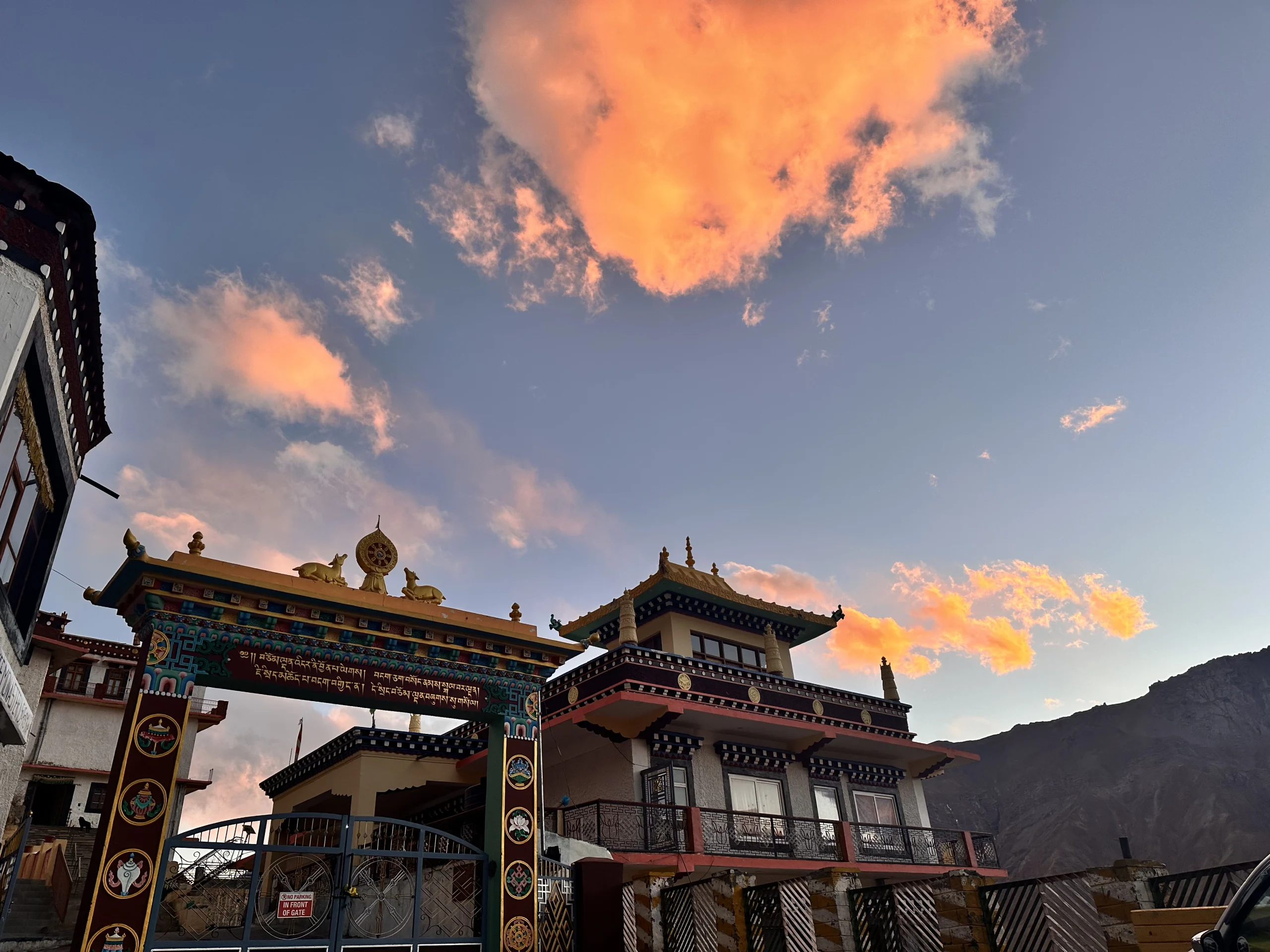
Packing for a Road Trip Through Spiti
If you’re spending several hours each day on mountain roads, a few additional items can make the journey more comfortable:
- Travel pillow
- Reusable water bottle
- Dry snacks
- Motion sickness medication if required
- Offline maps
- Car charger
- Wet wipes and tissues
Comfort during the journey is just as important as comfort at your destination.
For Photography Enthusiasts
Spiti offers endless photography opportunities, from mountain landscapes to village life and night skies.
Useful items include:
- Extra batteries
- Memory cards
- Tripod
- Lens cleaning kit
- Protective camera bag
Cold temperatures can drain batteries faster than expected, especially in winter
How the Right Stay Can Make Packing Easier
One of the most memorable experiences in Spiti is stepping outside on a clear night and looking up.
stargazing in Spiti Valley is mandatory, so consider carrying:
- Warm outer layers
- Gloves
- Headlamp or torch
- Thermos flask
- Tripod for night photography
Even during summer, nights can feel surprisingly cold when spending extended time outdoors.
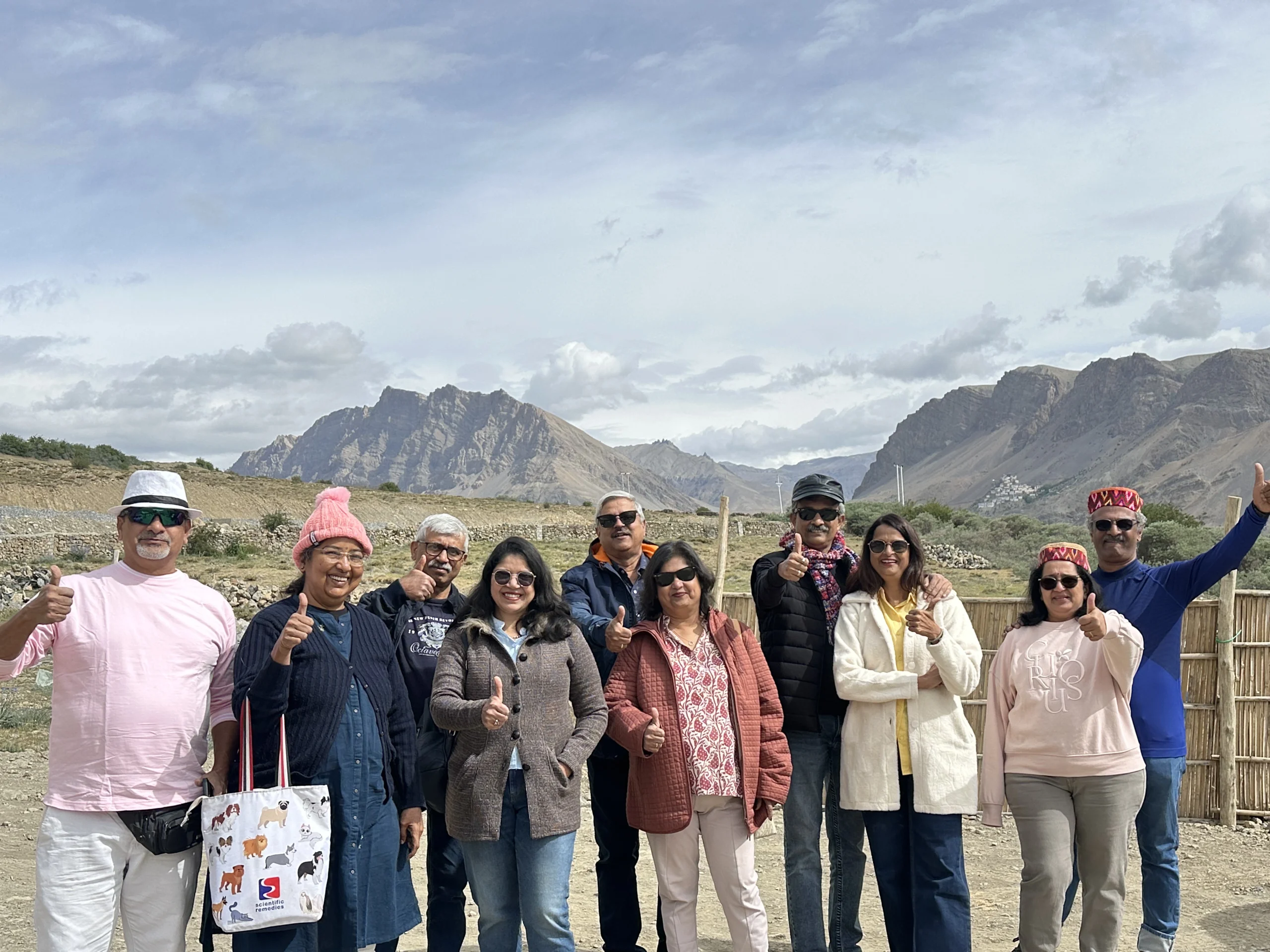
For Families Travelling to Spiti
Travelling with family means planning for a wider range of needs, especially during long drives and changing weather conditions.
A little preparation can make the journey more comfortable for everyone.
Consider packing:
- Children’s medicines
- Extra snacks
- Reusable water bottles
- Warm backup layers
- Entertainment for long drives
Families often find that having a few comfort items on hand helps make the journey just as enjoyable as the destination.
For a Relaxed Mountain Holiday
If your goal is simply to unwind, enjoy mountain views, and slow down for a few days, focus on comfort.
You may appreciate:
- Comfortable walking shoes
- A book or Kindle
- Light layers
- Small backpack for short walks
- Personal wellness essentials
Sometimes the best moments in Spiti come from doing very little.
Things You Can Leave at Home
Do not Over pack when you visit Spiti. You can usually avoid carrying:
- Heavy suitcases
- Multiple pairs of fashion footwear
- Excessive clothing
- Too many electronic gadgets
- Formal wear
Practical and comfortable items are usually far more useful than extra luggage.
Final Packing Advice Before You Leave
The best approach is to pack for changing conditions rather than a fixed weather forecast. Spiti rewards travellers who stay flexible, comfortable, and prepared for a variety of experiences. Bring layers instead of bulky clothing, prioritize comfort over appearance, and leave room for the unexpected.
You’ll enjoy the journey far more when you’re prepared for what the mountains decide to offer.
Frequently Asked Questions
What clothes should I wear in Spiti Valley?
Layered clothing works best. Temperatures can change significantly between daytime and evening.
Do I need heavy winter clothes in Spiti Valley trip during summer?
Not usually. A fleece jacket and warm layer for evenings are generally sufficient.
Is sunscreen necessary in Spiti Valley?
Yes. The high altitude and strong sunlight make sun protection very important.
What footwear is best for Spiti?
Comfortable walking or trekking shoes with good grip are usually the best choice.
What should I pack for a winter trip to Spiti?
Thermals, insulated jackets, gloves, woollen socks, and waterproof footwear are essential.
Do I need a power bank in Spiti?
Yes. Long travel days and remote locations make a power bank very useful.
Can I buy essentials in Spiti Valley?
Basic supplies are available in larger settlements, but it is always better to carry personal essentials with you.